
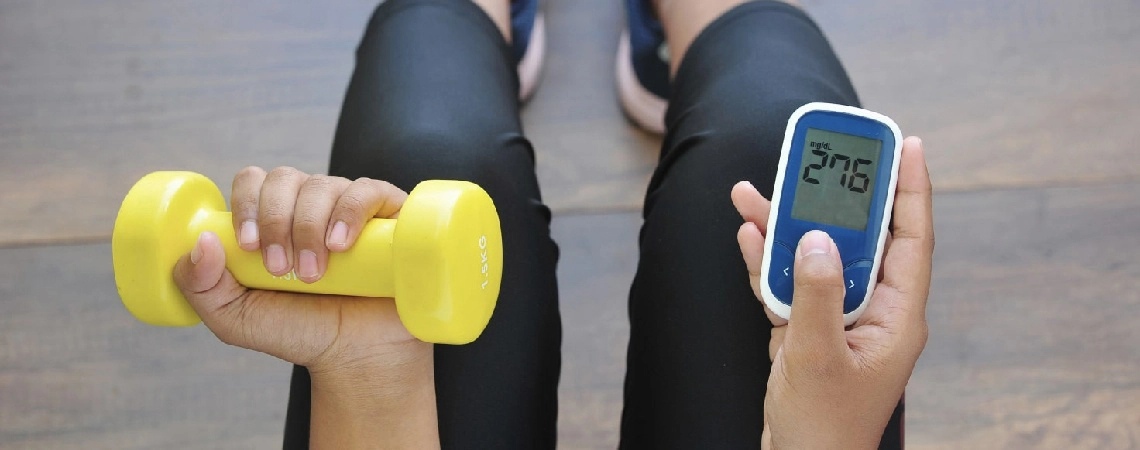
Type 2 diabetes mellitus (T2DM) occurs when the body becomes resistant to insulin or
when the pancreas is unable to produce enough insulin, resulting in high blood glucose
levels.
Persistently elevated blood glucose levels can lead to:
• Nerve damage, causing numbness or pins and needles in the hands and feet.
• Damage to the small blood vessels of the eyes, which can lead to vision loss.
• Kidney damage that affects the kidneys' ability to filter waste products.
• Narrowing of blood vessels, increasing the risk of high blood pressure, heart
attack, and stroke.
T2DM affects 1.2 million Australians or 4.6% of the population but many more are at
risk or undiagnosed.
• 59% of those living with T2DM are aged 65 years of age or older.
• Males are 1.3 times more likely to be living with a T2DM diagnosis.
The risk factors for T2DM fall into two categories, non-modifiable and modifiable. Non
modifiable risk factors are permanent, fixed traits, genetics, or personal history that
increase your likelihood of developing T2DM. Modifiable risk factors are lifestyle habits
and environmental exposures that you can actively change or manage to lower your risk
of developing T2DM.
The non-modifiable risk factors include:
• The non-modifiable risk factors include:
• family history
• genetics
• gender
• age
The modifiable risk factors are:
• weight
• physical inactivity
• diet
• smoking
• high blood pressure and cholesterol
• chronic stress
You can find your risk level by taking the The Australian Type 2 Diabetes Risk
Assessment Tool (AUSDRISK).
Why seeing an expert helps to manage your diabetes.
The modifiable risk factors listed above are where an Accredited Exercise Physiologist
or AEP can help.
As university-qualified professionals trained in how the body adapts and reacts to
exercise, we provide specific, targeted, and individualized exercise interventions to
assist with managing diabetes or lowering your risk of a T2DM diagnosis. Due to the high
chance of comorbidities and to ensure exercises are performed safely, you should see
a trained professional such as an AEP. We are trained to understand how the body
diagnosed with diabetes responds to exercise and what blood glucose levels are safe
for activity. AEPs are also educated on the many medications prescribed for those living
with T2DM, including insulin and GLP-1 injections (e.g., Ozempic, Wegovy, and
Mounjaro), and how these interact with physical activity.
The benefits of exercise interventions to assist in preventing and managing T2DM are
widely recognised as it improves glycaemic control, body composition,
cardiorespiratory fitness, cardiovascular risk, physical functioning and well-being in
clients with T2DM or pre-diabetes.
There are well researched recommendations to assist in diabetes management that
assist us in guiding your exercise intervention. The exercise intervention will be tailored
to you specifically and any comorbidities that exist. As a guide the following is
suggested:
1. Reduce sedentary time. Incidental exercise or unstructured physical activity
such as house cleaning and gardening are highly encouraged to aid in reducing
the amount of time spent sedentary, increasing daily energy expenditure and
assisting with weight management.
2. Aerobic exercise should be completed between 3 and 7 days a week for 210
minutes across the week, at a moderate intensity, think you could hold
conversation but couldn’t sing. This could be exercises such as walking, cycling
or swimming or high intensity training.
3. Resistance or strength training should be completed a minimum of 2 days non-
consecutive with preferred 3 days a week. This should be completed at high
loads to improve strength with at least 8-10 exercises of 1-3 sets of 10-15
repetitions. This training can be completed with resistance machines, body
weight, free weights and resistance bands.CommentHighlight
4. Flexibility and balance should also be completed 2-3 days a week. Stretches
should be completed to the point of tightness or slight discomfort and held for
10-30 seconds with 2-4 repetitions of each exercise. These stretches can be
completed with yoga, Tai chi or dynamic stretching.
How we can navigate this together
If you have diabetes or are at risk of developing T2DM, working with an Accredited
Exercise Physiologist can help you safely incorporate exercise into your lifestyle and
achieve long-term health benefits.
At Bribie Island Physio we have several options for exercise management of T2DM
diabetes.
Call us today or book online an initial appointment to see how we can assist you with
your goals.