
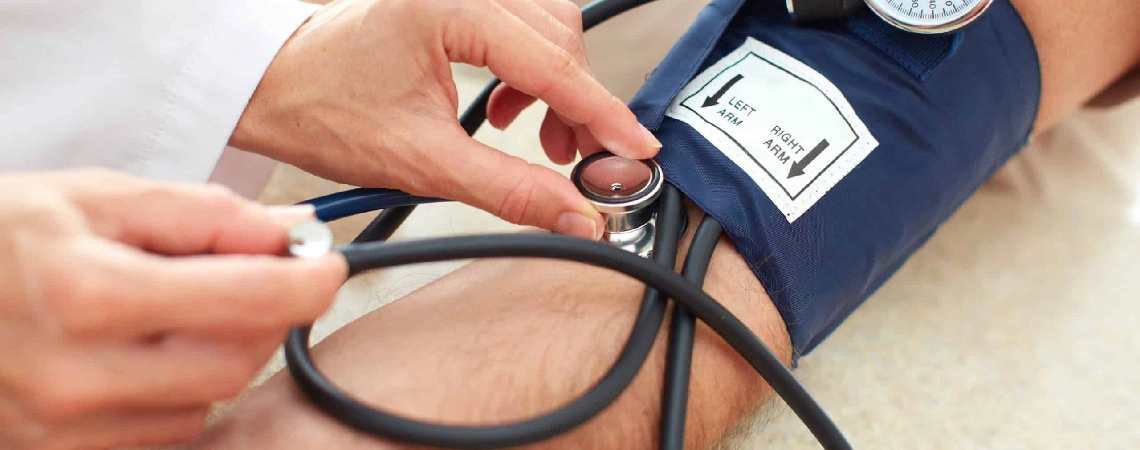
Blood pressure: what is it?
Blood pressure refers to the pressure generated by the pumping action of the heart (ventricles) and the resistance of the blood vessels as blood is pumped around the body.
Systolic blood pressure is the number commonly seen on top on a typical blood pressure machine and refers to the heart's contraction phase. Diastolic blood pressure is the number commonly seen below on a typical blood pressure machine and refers to the heart's relaxation phase.
• High blood pressure (hypertension), it can increase the risk of heart disease, stroke, and kidney problems.
• Low blood pressure (hypotension), it can cause dizziness, fainting, and inadequate blood flow to organs.
Exercise and its relation to blood pressure.
Immediate Effects During Exercise
When you exercise:
• Your heart beats faster and more forcefully to supply muscles with oxygen.
• Systolic blood pressure (the top number) increases.
• Diastolic blood pressure (the bottom number) usually stays about the same or changes only slightly
Long-Term Effects of Regular Exercise
Regular physical activity can help:
• Lower resting blood pressure.
• Improve heart efficiency.
• Increase the flexibility of blood vessels.
• Reduce stress levels.
• Help maintain a healthy body weight.
Precautions
If you have:
• Very high blood pressure.
• Heart disease.
• Chest pain during exercise.
• Dizziness or shortness of breath.
Always consult a healthcare professional (Exercise Physiologist, GP) before starting a new exercise program.
Why seeing an Accredited Exercise Physiologist (AEP) can help
Clinical exercise professionals such as AEPs are well placed to play a complementary role in the identification and management of high blood pressure (BP) through exercise BP assessment, within their professional scope of practice. Specifically, they can:
• Use exercise BP measurements to help identify individuals who may be at increased risk of cardiovascular disease due to undetected or inadequately controlled hypertension that may not be evident during resting BP assessments.
• Communicate findings and refer patients to primary care providers for further evaluation and confirmation of BP status and control.
• Educate patients about hypertension, including its risks and the steps they can take to support diagnosis and management, such as home BP monitoring.
• Implement lifestyle interventions, including evidence-based exercise programmes, following confirmation of hypertension by a primary care provider, to support BP reduction and lower future cardiovascular risk.
• Implement lifestyle interventions, including evidence-based exercise programmes, following confirmation of hypertension by a primary care provider, to support BP reduction and lower future cardiovascular risk.
Book and appointment now with our EPs to see how we can assist you.